How Garment Remodelling Works
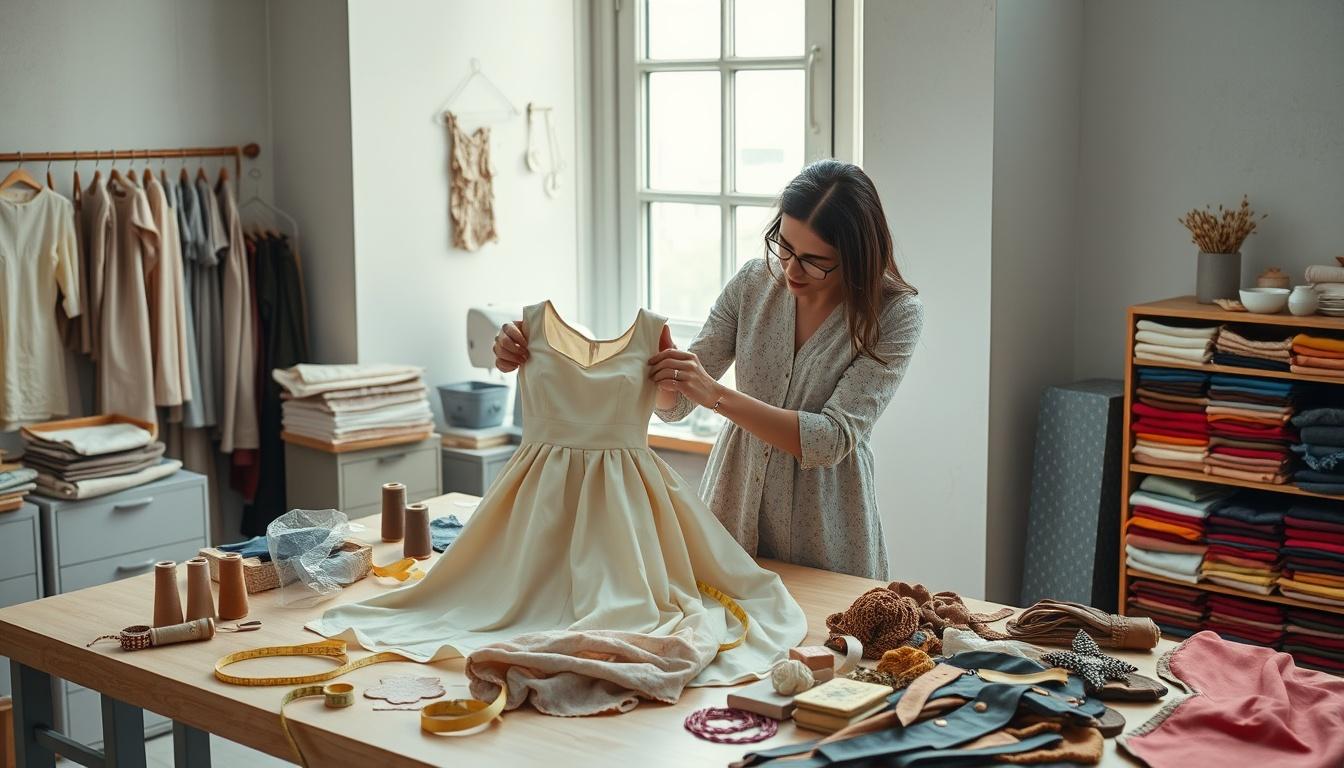
Garment remodelling begins with a careful review of the item itself. We look at the fabric, construction, condition, seam allowances, and the fit outcome you want before suggesting a scope of work. That first assessment helps define what can be changed, what should be preserved, and where the garment may set clear limits.
For redesign projects, the concept is reviewed before work begins. This keeps the process clear and realistic, especially when the existing material must support a new shape or function. If extra materials are needed, they are discussed separately so the project scope stays transparent from the start.
Designed for pieces worth keeping
A practical look at redesign, fit updates, and fabric reuse
Many clients bring garments with history, strong fabric, or details worth reusing. In those cases, remodelling can turn a dated piece into something more wearable while keeping the most useful parts of the original. Vintage clothing owners and sustainability minded customers often choose this route to extend the life of garments rather than replace them.
A written alteration scope helps keep each project organized through approval, remodelling, and final review. At collection, the garment is checked again so any small finishing adjustments can be handled carefully without changing the agreed design. The result is a process that stays practical, visible, and grounded in the material at hand.